A Small-Scale Event and a Big Impact: Is this Relationship Possible in the World of Sport? The Meaning of Heritage Sporting Events for Sustainable Development of Tourism
Apstract
Details

From running and swimming to skiing and biking, sport is an ideal way to connect with nature. But to continue enjoying our favourite physical […]



This article highlights the importance of sporting events at a small scale, as well as heritage sporting events for sustainable development of tourist destinations. It mentions that the big social potential lies in the organization of small-scale sports events which can then impact tourist revival and improvement of the regions’ image.

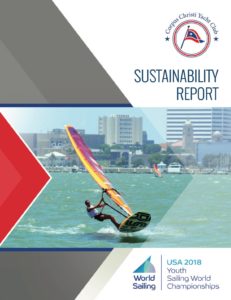
The Corpus Christi Youth Sailing World Championships marks a key step for World Sailing in its delivery of its Sustainability Agenda 2030 which sets out sustainability targets across the sport of sailing.



This document sets out in detail the approach taken by the tournament organisers to identify our strategic priorities and define our strategic objectives in order to maximise the tournament’s contribution to people’s well-being, economic development and environmental protection in the short and long term.


For more than a decade, the FIM has been working with the United Nations Environment programme to support one of their largest and recognised […]

London Marathon Events (LME), has published its first ever environmental report into the delivery of sustainable mass participation events.

Vestas 11th Hour Racing highlights the use of sailing to raise awareness on pressing environmental issues, and help to source solutions to mitigate the problem, while achieving exemplary race results.

This Guide is part of the "Sustainability Essentials" series developped by the IOC. It provides ideas to get you started and examples of progress from across the sporting community. It will help you to create a plastic plan and to work with suppliers, athletes and fans to reduce, reuse and recycle.

This module is part of a 12 clips guide created by SportAccord, AISTS, PI, and IOC, to help us understand sustainability as a whole, and look at what it means. Data gathering Issues. Discussing the key priliminary issues like what to measure, where to measure and using results from similar events. This key point also disusses the different methods of data gathering (Quantitative and Qualitative data), validity, reliability and quality of data. (Video 11/12)