Healthy Stadia – Active Travel Guidance For Sports Stadia
Healthy Stadia
Details

This guidance aims to help people connected with sports club to be more physically active by encouraging them to adopt active modes of transport to and from their facilities. Sports clubs and their facilities have a lot to gain from encouraging active travel, including a healthier fan-base, a more active workforce who take less sick leave, through to less pressure on car parking spaces, improved air quality around your stadium and an enhanced social responsibility profile.


This module is part of a 12 clips guide created by SportAccord, AISTS, PI, and IOC, to help us understand sustainability as a whole, and look at what it means. Here you will learn about the ISO 20121 Management System is a way of working. It tells us what the standard is, describes how to create a sustainability policy and adapt the framework to your event and company values. It describes process of getting the certification. (Video 3/12)




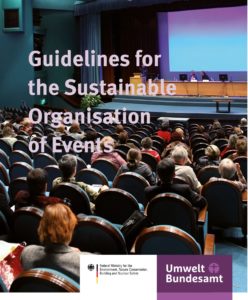
These Guidelines, published by the Federal (Germany) Ministry for the Environment, Nature Conservation, Building and Nuclear Safety (BMUB), aim to assist the organisers and planners of events (such as conferences, meetings, summits etc.) in recognising the necessary demands made by sustainability.

Rowing is a sport that requires clean water and clean air. Rowers are mindful of protecting the environment on which they must rely to carry on their sport. The intention of this document is to record World Rowing Federation's (FISA) commitment to rowing practices, which continue that association and encourage a culture of responsibility for protecting nature and therefore the sustainability of the sport. The document highlights important issues and appropriate ways of dealing with them in accordance with sustainable environmental practice.

Welcome to the Year in Review 2019, a comprehensive account of events on and off the field that have defined a truly special year for our sport
International Federations Study (IF Study) conducted in 2017 by AISTS in collaboration with ARISF. The objective of this study is to understand the current situation, trends and needs amongst IOC recognised international sports federations with regards to sustainability. It assesses initiatives, trends and needs from its findings.
This guide draws on long-standing practical experience and offers organisers a wealth of concrete, easily understandable and accessible advice including on management issues, sector-specific recommendations, and action-oriented checklists. It consists of six sections that can be used separately

Prompted by Agenda 21, a world-wide programme directed by the United Nations, many countries have agreed to adopt policies aimed at sustainable development. In recent years, the International Olympic Committee (IOC) has also focused on environmental protection and sustainable development, leading to the adoption of the Olympic Movement’s Agenda 21. The section on “Sport and the Environment” states that energy saving in sports facilities is a priority issue.
The processes and milestones which led to the historic adoption of the 2030 Agenda for Sustainable Development and its 17 Sustainable Development Goals (SDGs) in 2015 were followed by the Sport for Development and Peace community with strong interest and a commitment to continue using sport as a unique tool to support this new global plan of action. As a result of joint efforts, particularly including UN Member States’ support to recognize the contribution of sport to the SDGs, Heads of State and Government and High Representatives declared in the Political Declaration for the new Agenda: "Sport is also an important enabler of sustainable development. We recognize the grow- ing contribution of sport to the realization of development and peace in its promotion of tolerance and respect and the contributions it makes to the empowerment of women and of young people, individuals and communities as well as to health, education and social inclusion objectives".